Known by both names, you need it
Updating your lighting ranks in the top cost-effective ways to modernize your home. Whether you’re updating your residence to put it on the market or because you want to enjoy your home to the fullest, new lighting will make the difference. Or perhaps you’re replacing your office lighting to make your team more productive. Maybe you’re styling lighting in your retail shop to boost sales.
New energy-efficient lighting typically offers a return on investment (ROI) between 50% and 100%+ that factor in energy savings, improved functionality, elevated style and sometimes tax incentives.
Compared to any other improvements you can make, lighting offers an immediate impact. And the newest lighting revolutionizing design is Tape Lighting.
Tape lighting (also called strip lighting) can instantly upgrade your home by adding high-end ambiance, improved functionality, and a customized designer look with minimal effort. Tape lighting can be applied to nearly any surface due to its peel-and-stick adhesive and flexible design. Plus, it can be cut to size.
Tape lighting was first developed in the early 2000s. And in the last 26 years, have evolved and been adopted by the world’s top designers. Even DIY kits are sold online.
Advancements in tape lighting over the past two decades have allowed manufacturers to introduce smaller LEDs into flexible "tape" that have adhesive backing. The peel and stick lit tape can be tucked into tight spaces like in between slats on slat wall paneling.
While tape lighting is available in adhesive format, the higher-end reliable tape lighting by ASA Electrical Solutions used by Allstar Electrical is professionally applied mechanically, fastened to walls in aluminum mounting channels or by using mounting clips. Using channels and mounting clips is recommended for permanent or heavy-duty installation or outdoor installs as the adhesive backing on tape lighting can fail over time when applied outdoors, or on textured surfaces.
Another benefit of tape lighting is that it’s compatible with smart home systems, including Amazon Alexa or Google Home, for wireless control.
Plus LED tape lighting typically lasts between 25,000 and 50,000 hours, which translates to roughly 8 to 17 years of use at 8 hours per day. High-quality, well-cooled LED strips can even last up to 100,000 hours. Lifespan of tape lighting is defined by "L70," meaning the point where the light has dimmed to 70% of its original brightness.
ASA Electrical Solutions Tape lighting installed by Allstar can be used in commercial and residential settings. Read more about Tape lighting ideas for step/stair systems, backlighting surfaces, Zoom background lighting, highlighting signage, kitchen cabinetry and bookcases, architectural applications, bar/lounge ambiance, bedroom illumination, closet installs, church and auditorium lighting, workplace and industrial safety, mood lighting, exterior highlights and bespoke applications.
ZOOM UP YOUR ONLINE PRESENCE
Or, get the cat outta here
Recall during Covid that Zoom conferences were, well, casual with kids streaming past in the background and cats stretching across the keyboard.
Video conferences have progressed in the last six years with 55.91% of the video conferencing market using Zoom, followed by Microsoft Teams at 32.29%. Zoom reports 3.3 trillion annual meeting minutes. Chances are you were on a Zoom call recently.
Looking good on a Zoom call enhances professional credibility while creating a positive first impression. Proper lighting ranks as the most important factor in creating a good Zoom setting followed by eye-level camera positioning and professional attire.
Tape lighting is the single most impactful way to create a Zoom room that boosts your business impact online.
Best Lighting Installations to maximize your looks on Zoom:
A few more recommendations to z-o-o-m up your video position:
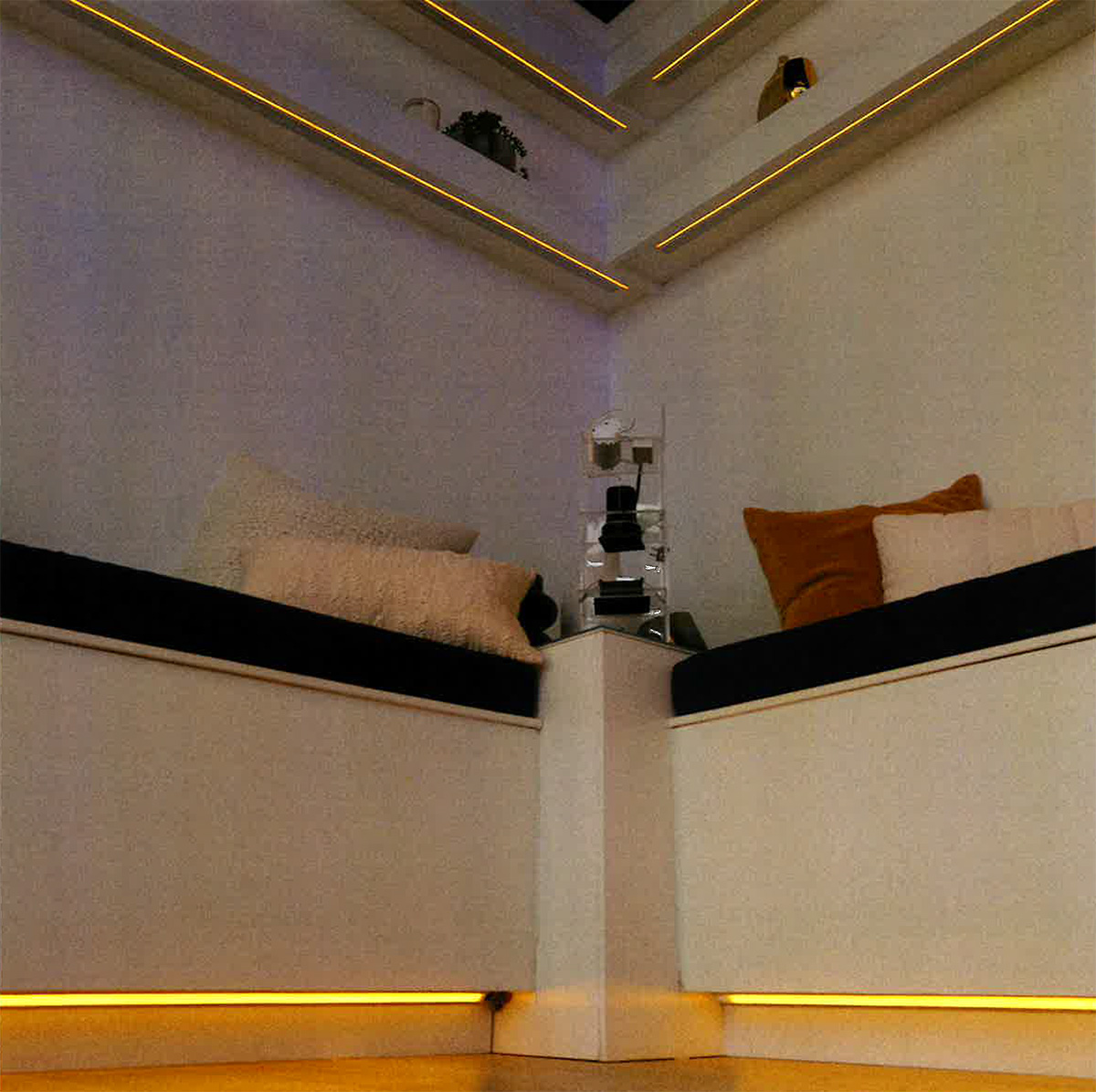
- Shelf or Bookcase Accenting: Apply tape lighting behind books or on the underside of shelves to add depth, called a "hair light" or backlight to separate you from the room.
- Under-Desk/Shelf Glow: Stick strips under your desk or shelving to provide a hidden light source that adds warmth to the room.
- Behind-Desk Separation: Place light strips on the floor behind your chair pointing up at a wall to create dramatic separation between you and the background. This makes you the lead in the videoconference, ensuring you stand out in the frame.
- Behind-the-Camera Setup: Place a light strip on a stand behind your camera, aimed to reflect off a wall in front of you for a direct, flattering glow, creating a diffused light source.
Allstar Electrical installs ASA Electrical Solutions Tape lighting that delivers the online results your Zoom calls need. Call Allstar today and make your next video conference a winner!
USE TAPE LIGHTING TO HOLD YOUR BUSINESS TOGETHER
Creating Impact with Layered Lighting
The most impactful upgrade you can make in your business is tape. No, not the Scotch kind, but Tape lighting manufactured by ASA Electrical Solutions and installed by Allstar Electrical.
Professional designers achieve high-impact updates by mixing three specific types of light:
- Ambient: General overhead lighting for overall brightness.
- Task: Focused light for activities like reading or cooking.
- Accent: Decorative light used to highlight specific features or add depth.
Lighting profoundly impacts workplace culture by influencing employee mood, productivity, and health. Natural light and adjustable, bright lighting boost energy, morale, and focus. The lit rooms become more collaborative. A team takes shape and gets things done.
Conversely, poor, dim, or harsh lighting can cause headaches, irritability, and decreased productivity.
Safety too is a consideration.
Consider Tape lighting used for staircase safety and style. Run strips under the nosing of stair treads to illuminate steps softly at night. OSHA might just love you for this improvement.
Tape lighting in commercial office space is also best used for indirect lighting applications including cove lighting, wall washing, and backlighting.
Tape lighting will brighten the office without becoming overpowering. Install LED strips and tape lights in coves and ceiling cornices. This should offer soft, indirect light that is not painful to the eyes. Best used in small offices where overhead lights can be too intense. Running LED strips along ceiling coves creates a "floating" ceiling effect and spreads soft, even light across a reception room.
Tape lighting for branding. Imagine entering a business lobby that’s generous sized. The back wall of the lobby is a canvas for the corporate name in large dimensional letters (acrylic, metal, or wood) that appear to be floating because they are mounted off the wall using studs and spacers. Behind the lights is Tape lighting creating a modern, high-end look that distinguishes your business from the average competition.
It’s an office so consider the desks employees work at. Install LED strips beneath your desk or work table to create a soft, ambient glow that’s not painful to the eyes. Especially during evening hours, under-desk lighting can help reduce shadows, eye strain and fatigue. Unlike overhead lighting, under-desk lighting does not have glare and can make your workspace feel more modern and inviting.
Then consider what’s on the desk: computer monitors. Backlighting your monitor with LED strip lights helps ease eye fatigue, especially when working long hours. Called bias lighting, it is not just for aesthetics. The light contrasts with the screen and the surrounding area, lessening the strain on the eyes. Bias lighting is usually done when your screen is close to the wall.
Turn your office shelves and bookcases into eye-candy. Install LED strip lights under the shelves or inside bookcases to create depth, highlight items. It also makes it easier to find documents and the things you put on the shelf.
Improve office performance with Tape lighting by ASA Electrical Solutions installed by Allstar Electrical today!
TAPE LIGHTING INCREASES RETAIL IN-STORE SALES
U.S. retail is still dominated by physical stores, which account for approximately 81% ($6.088 trillion) of sales, while online sales represent 19% ($1.431 trillion).
Lighting sets the store's mood. Luxury retailers prefer warm light while modern tech retailers use cool, bright light.
Tape lighting, typically in the form of flexible LED strips, has a profound impact on retail. It can be used to influence a customer’s purchasing decisions, creating focal points.
Here’s what you can do to increase your store’s sales with Tape lighting:
Use Tape lighting on integrated shelf lighting, particularly in gondola shelving. (Gondola shelving is a wall or island of shelving with multiple rows of shelves.) Studies show Tape lighting can lead to customers selecting twice as many items. Product engagement translates to increased sales, with engaged customers typically spending 23% to 306% more than disengaged ones. Increased engagement, such as through improved user experience, drives 20%–40% higher spending, higher retention, and a 20%–95% profit boost from a mere 5% increase in retention, according to Higherlogic.com, delivering engagement solutions for business and associations.
- Draw Attention to Specific Products: LED strips are used as accent lighting to highlight merchandise, making them more attractive and encouraging impulse purchases.
- Influences Purchasing Decisions: Warmer tone lighting highlight freshness of produce and baker items. Cooler tones are best to promote electronics and technology as the newest, latest and greatest.
- Enhances Store Atmosphere and Experience: Tape lighting along walkways creates a modern, luxurious ambiance inducing customers to stay longer and return more frequently.
- Improves Navigation and Flow: Strategically placed lighting can help guide customers through a store, enticing them to stop at overlooked areas.
- Adds Functional Value: Used under cabinets, on shelving, or at checkout counters, Tape lighting ensures products are clearly visible, reduces shadows and enhances the professionalism of the display. Use Tape lighting on the toe kick of the cabinet and it will give the display base a floating effect. Use Tape lights inside cabinets to showcase product colors.
Furthermore, LED tape lighting is highly favored for its energy efficiency, low maintenance, and long lifespan.
The value of Tape lighting is something you can measure. Call Allstar Electrical to install your Tape lighting and then count next month’s sales. You can count the difference!
ORDER UP INCREASED DINING GUESTS IN YOUR RESTAURANT
More than 12,900 restaurants operate in Colorado with 69% being independently owned.
Independence means a restaurant owner usually has the option to make decisions about your property. The downside is that being an independent restaurant owner means having to make hard decisions due to budgetary constraints.
Tape lighting is one of the most affordable and effective improvements you can make to your restaurant.
Use window display highlighting. Enlist Allstar Electrical to create a bright, professional frame around window displays making the messages pop.
Safety first when you line your entrance pathway and steps with waterproof LED Tape lighting. Add Tape lighting under the treads to highlight the steps…again for safety.
Install Tape lighting under roof overhangs, eaves or along the fascia board of the front of your retail shop that creates a floating effect that will draw attention from a distance.
Line the underside of patio tables, bar tops, pergolas with warm white Tape lighting that is welcoming.
LED Tape lighting, or strip lighting, is highly flexible, energy-efficient, and low-profile featuring surface-mounted diodes on a PCB. It’s the lighting of choice for indirect accent lighting. LED Tape lighting is the premier customizable illumination for commercial spaces. Best of all it features 50,000-plus hours of maintenance-free operation.
Get the best Tape lighting by ASA Electrical Solutions installed by Allstar Electric and hear your cash register ring.
THE AFFORDABLE HOME UPDATE WITH TAPE LIGHTING
Inside, outside Tape lighting can bring your home forward decades. Seriously.
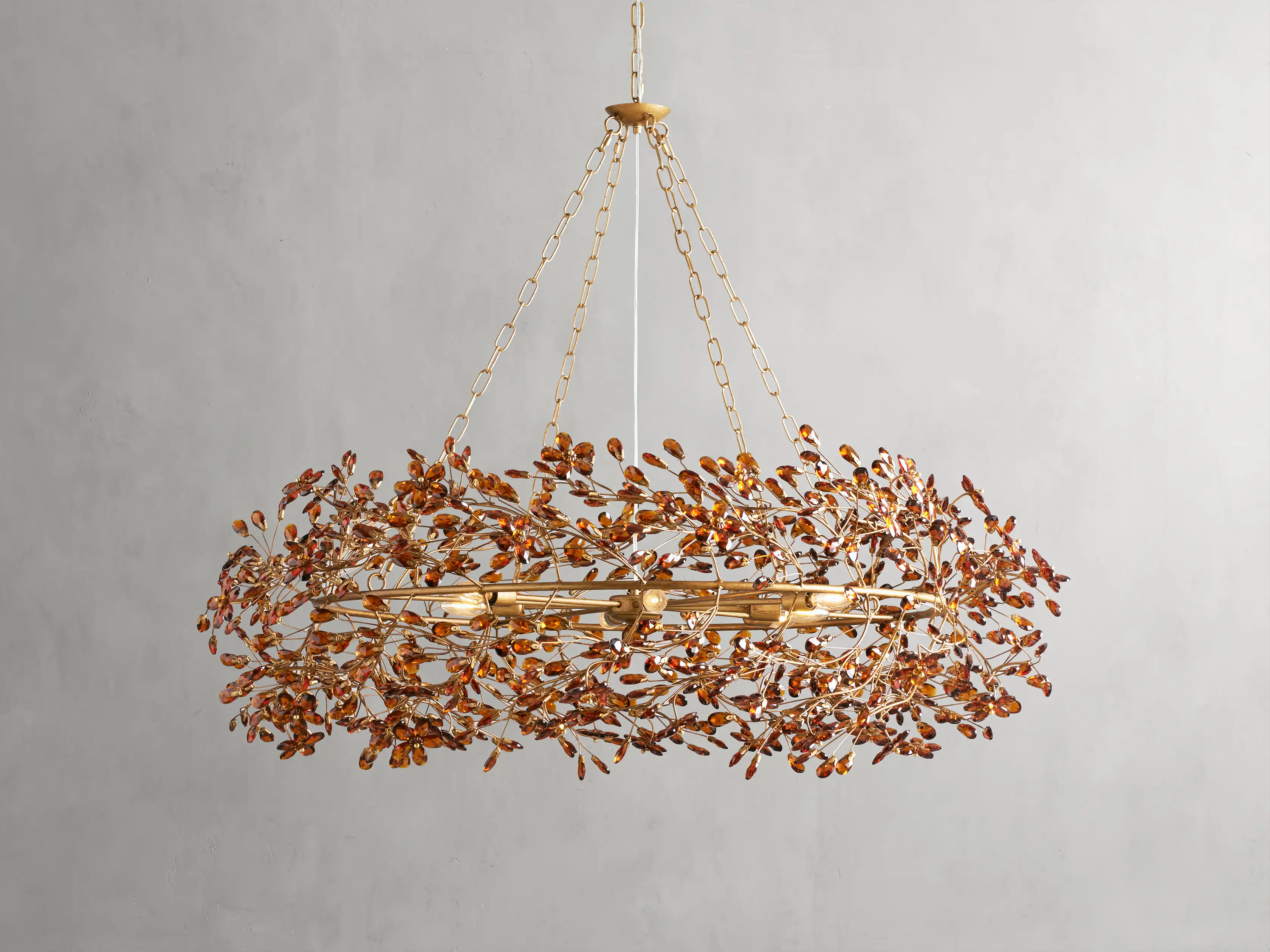
Lighting delivers and immediate transformation. Swap out old fixtures for modern options but maintain a consistency between the lighting chosen. You don’t want your home to look thoughtful not slapped together.
Installing dimmers enhances ambiance establishing mood lighting that ranges from focused to romantic.
Using LED Tape lighting is a sure way to modernize and net the reward.
Bespoke tape lighting elevates home interiors by adding tailored, energy-efficient, and functional ambiance to architectural features or furniture. Custom applications include: ideas include:
- Floating Furniture: Install high-output LEDs under beds, sofas, or bathroom vanities to create a "floating" effect and soft pathway lighting.
- Architectural Cove Lighting: Place, tunable, high-CRI LED strips in ceiling coves to adjust white color temperature from warm to cool (6500K-2700K).
- Refined Cabinetry: Use recessed aluminum channels with diffusers in kitchen cabinets or bookshelves to eliminate glare and create seamless, shadow-free illumination.
- Backlit Features: Install LED tape behind onyx countertops, mirrors, or headboards to create dramatic focal points.
- Interactive Art: Apply strips behind custom wall cut-outs or art pieces to highlight the art and create interactive shadow boxes.
- Control Options: Use smart PWM controllers (like WLED) for app/voice control, dimming, and color temperature management.
- Waterproofing: Install Tape lighting with an IP rating of 67 or higher for bathrooms and wet areas.
- Warm/Cool Balance: Choose Tunable White LEDs to match the room's mood and natural sunlight cycles.
To achieve the most professional and clean look on your finished install use Allstar Electrical. The Allstar techs will conceal power supplies in junction boxes and use wire-routing techniques to hide all visible wires.
Contact Allstar Electrical to install ASA Electrical Solutions Tape lighting and realize the benefit of modern lighting that wows.

.jpg)